Showing posts with label Manners. Show all posts

Friday, October 23, 2026

Homeschool Friday - Zoe's Hiding Place

Homeschool Friday is a feature here at Somewhere Only We Know that showcases books my family reads during homeschool and provides a mini-review for each.

Zoe's Hiding Place (Good News for Little Hearts)

By: David A Powlison

Illustrated By: Joe Hox

Publication: October 6, 2018 by New Growth Press

32 pages

Genre: Children's, Animals, Picture Books, Christian, Manners

Source: Personal Library

( Goodreads | Amazon )

*Note: The above link to Amazon is an affiliate link. Affiliate links support giveaways for Somewhere Only We Know readers.

Goodreads description--This beautifully illustrated book invites children to remember that the Lord is near when they are anxious. Zoe, a fearful mouse, is worried about a class trip. As she talks with her parents, Zoe realizes that she can turn to God for help. Papa Mouse gives her a verse from the “Great Book” that she can read when she is afraid. She learns that she can tell God all about her fears, and he will comfort her. Also included is a tear-out page of “Back Pocket Bible Verses” that will give children a practical way to remember God’s words when they are afraid.

A new series of hardback, illustrated children’s books for three-to eight-year-olds—each centered on an animal family—bring gospel help and biblical counsel to families. The animal characters, colorful illustrations, and the real-life issues each animal family face will captivate children. The first three books address anxiety, anger, and failure bringing biblical help and hope to issues every child faces. The last page of each book contains information for parents on how God, in his Word, helps children apply biblical truth to specific issues. Together children and parents will be guided by the stories into meaningful conversations about living by faith in the details of everyday life.

I absolutely love the Good News for Little Hearts series. There's always a Scripture where a book dedication usually stands. Zoe's Hiding Place features Psalms 46:1, "God is our refuge and strength, always ready to help in times of trouble." Zoe's Hiding Place is 32 pages long, but of course, it isn't an AR book so finding an exact book level for reading purposes would just have to be a guess, but I would put these books on par with the Berenstain Bears which ranges from a level-2 to a level-4. Either way, this is a book that I've read to my kids, not a book that my kids have grabbed for supplemental reading purposes (at least so far).

The book starts with Zoe commenting about how under her purple patchwork quilt is her favorite place to hide because she feels so safe and cozy. On the walk to school, Zoe dives into her fairytale book. She barely notices her friends joining her. At school, Miss Minnick announces that they have been invited to visit the Mulberry Meadow Art Museum in the morning. Zoe isn't as excited as everyone else because she's remembering her last trip to the museum where she got so lost looking at a painting that she didn't notice her class leaving. Zoe's mind begins to fill with worries and fear. Mama came in to talk to her. She tells Zoe that worry wants you to believe that you're all alone, but God and Jesus are both with you. She explains that you can trust God to keep you safe. Mama encourages Zoe to turn her fears into prayers and instructs her to listen carefully to the adults in charge of keeping her safe. Zoe wakes up and prays before heading to the museum. Her father gives her a paper with Philippians 4:5-6 on it and tells her to pull it out to read when she feels afraid.

On her way to school, Zoe notices the beauty around her. She doesn't feel afraid, she feels God's presence and peace. She prays again when they arrive at the museum. And she realizes that she forgot how much she loves the art museum. Zoey gets lost in a painting once again and doesn't notice the class leaving, but when she realizes it, she brings the paper out of her pocket and prays again. Then she remembered that all she had to do was find the Great Oak at the beginning of the meadow. And there was her class. Miss Minnick realizes that she needs to do a better job keeping up with her class, but Zoe is okay after all.

At the end of the book is a section to parents about helping children with anxiety. And then finally, there are four "Back Pocket Bible Verses" that you can pull out and give to your child/children for when they are anxious. Philippians 4:5-6, 1 Peter 5:7, Psalm 121:7-8, and Psalm 23:1.

Picture books that teach about Biblical character in a way that children can understand and apply in their lives are among my top favorite books. This entire series is great. Zoe's Hiding Place gets 5 Stars. Have you or your child read Zoe's Hiding Place? What did you think? Let me know!

Friday, October 9, 2026

Homeschool Friday - Gwen Tells Tales

Homeschool Friday is a feature here at Somewhere Only We Know that showcases books my family reads during homeschool and provides a mini-review for each.

Gwen Tells Tales (Good News for Little Hearts)

By: Edward T Welch

Illustrated By: Joe Hox

Publication: October 4, 2021 by New Growth Press

32 pages

Genre: Children's, Animals, Picture Books, Christian, Manners

Source: Personal Library

( Goodreads | Amazon )

*Note: The above link to Amazon is an affiliate link. Affiliate links support giveaways for Somewhere Only We Know readers.

Goodreads description--This colorful, beautifully illustrated children’s book invites children ages four through seven into Gwen Raccoon’s world to learn alongside her how to have the courage to always tell the truth. Gwen Raccoon is embarrassed when she gets a failing grade on a math test. But that’s not the big problem: the big problem is that she is cultivating the habit of lying to do what she wants and cover up her mistakes. Gwen’s lies pile up. But when Mama confesses her own failure to tell the truth, Gwen gains the courage to confess and ask forgiveness of Jesus and of those she has lied to. Edited by Edward. T. Welch, Gwen Tells Tales helps young readers see how God always accepts us when we confess sin and repent; and further, how he gives us the humility to speak the truth when it’s hard. A special section at the end of the book guides parents in helping their children be truth-tellers. Also included is a tear-out page of Back Pocket Bible Verses to remind children and adults that God’s forgiveness is always available to cleanse us from sin; and the Holy Spirit always gives strength to speak the truth. Gwen Tells Tales is part of the Good News for Little Hearts series, bringing gospel help and biblical counsel to families. Based on CCEF’s model of hope and help, each story focuses on an animal family’s real-life issues, encouraging young readers toward a growing relationship with Jesus in the midst of challenging circumstances. Each individual story guides parents toward meaningful conversations with their kids, based on what Scripture has to say about living by faith in everyday life.

I absolutely love the Good News for Little Hearts series. There's always a Scripture where a book dedication usually stands. Gwen Tells Tales features Ephesians 4:25, "So you must stop telling lies. Tell each other the truth because we all belong to each other in the same body." Gwen Tells Tales is 32 pages long, but of course, it isn't an AR book so finding an exact book level for reading purposes would just have to be a guess, but I would put these books on par with the Berenstain Bears which ranges from a level-2 to a level-4. Either way, this is a book that I've read to my kids, not a book that my kids have grabbed for supplemental reading purposes (at least so far).

The book starts with Monday morning where Gwen is excited to go to school because she is the smartest 4th grader in Mukberry Meadow. Mama reminds Gwen and Gus that she and Papa have their cornhole game that night and wouldn't be home until 9 after Gwen and Gus are in bed. She also reminds Gwen of her math test tomorrow and that tonight is Gwen's last tie to study, so no screens allowed. Gwen isn't worried about failing her test so she let's Mama's instruction go in one ear and out the other. When Mama and Papa head out to their game, Gwen goes to get on her device, but Gus reminds her of the rule. She blows him off. Gwen plays until 8:45 so she won't get in trouble when Mama and Papa come home. But the next day at school, Gwen is confused by the test. She doesn't recognize the work she's expected to do. Then she remembers that she was sick two days last week, and this must have been taught while she was out. On the way home from school, Gwen pulls out her graded test and sees "Failing grade. Parent signature required." When she gets home, Gwen decides that she's going to have to copy Mama's signature on the paper herself. Unfortunately, Miss Minnick, the teacher, runs into Mama at the market and asks how Gwen has been doing since Tuesday's test. The truth comes out. Immediately after, Mama runs into a friend from the cornhole game and Mama fibs a little about practice to get a high score.

Gwen asks Mama on the way home from the market why she lied to Mrs. Squirrel about practicing cornhole. Mama realizes that she was wrong and needs to straughten things out. She then asks Gwen why Miss Minnick thinks that she signed Gwen's tests. Mama, Papa, and Gwen discuss the test and Gwen's lack of studying, plus her screen time. And Gwen asks for forgiveness. Mama tells Gwen that following Jesus doesn't mean that we don't mess up and do wrong things from time to time. Papa chimes in that we do ask Jesus for help and forgiveness. Mama gives Gwen a piece of paper with 1 John 1:8-9 written on it.

At the end of the book is a section to parents about helping children with lying. And then finally, there are four "Back Pocket Bible Verses" that you can pull out and give to your child/children for when it's hard to tell the truth. Psalm 34:12-13, Hebrews 4:13, 1 John 1:8-9, and Psalm 32:5.

Picture books that teach about Biblical character in a way that children can understand and apply in their lives are among my top favorite books. This entire series is great. Gwen Tells Tales gets 5 Stars. I love how it shows how one lie often leads to another. Have you or your child read Gwen Tells Tales? What did you think? Let me know!

Friday, October 2, 2026

Homeschool Friday - Jax's Tail Twitches

Homeschool Friday is a feature here at Somewhere Only We Know that showcases books my family reads during homeschool and provides a mini-review for each.

Jax's Tail Twitches (Good News for Little Hearts)

By: David A. Powlison

Illustrated By: Joe Hox

Publication: October 1, 2018 by New Growth Press

32 pages

Genre: Children's, Animals, Picture Books, Christian, Manners

Source: Personal Library

( Goodreads | Amazon )

*Note: The above link to Amazon is an affiliate link. Affiliate links support giveaways for Somewhere Only We Know readers.

Goodreads description--Everyone gets frustrated when something important to them goes wrong. In Jax’s Tail Twitches, the whole Squirrel family ends up out of sorts when acorn gathering doesn’t go according to plan. Although Papa, Mama, Jax, and Caspian Squirrel all get angry, they also learn about the power of saying sorry, seeking forgiveness, remembering God’s words, and praying together. Edited by David Powlison, Jax’s Tail Twitches ends with a special section that guides parents in teaching children how the gospel of Jesus Christ changes how we respond when life goes wrong. Also included is a tear-out page of Back Pocket Bible Verses that will help children and adults remember to turn to God for help when they are angry.

I absolutely love the Good News for Little Hearts series. There's always a Scripture where a book dedication usually stands. Jax's Tail Twitches features Psalm 103:8, "The Lord is compassionate and merciful, slow to get angry and filled with unfailing love," but it is at the back of the book. Jax's Tail Twitches is 32 pages long, but of course, it isn't an AR book so finding an exact book level for reading purposes would just have to be a guess, but I would put these books on par with the Berenstain Bears which ranges from a level-2 to a level-4. Either way, this is a book that I've read to my kids, not a book that my kids have grabbed for supplemental reading purposes (at least so far).

The book starts with Jax and Caspian waking up and racing to be first to the kitchen. Caspian trips Jax and laughs. So Jax starts the day off in a bad mood. His father comes in with an armful of acorns and discusses the year's supply. The family goes about their day collecting acorns to store up for the winter, but as kids do, Caspian gets bored and playfully throws an acorn at his brother. Jax is not amused and retaliates. Caspian is playing, but Jax is angry. At the same time, there's another squirrel family that stops by to visit. The dad of that family picks up an acorn, and Papa asks him about his own tree providing for his family. He thinks of this tree as a community tree. Papa corrects him using the squirrel handbook, but Mr. McNuffle is surprised that Papa wouldn't want to help his neighbor. As the men begin to argue, no one notices that baby (toddler?) Jolie jumps into the bag of acorns Papa has been collecting which bursts and acorns go flying everywhere. All the family's hard work goes rolling down the hill. At the same time, Mama realizes her dinner is burning back in the treehouse. The family goes racing home.

Now everyone is angry. Mama blames Papa for distracting her with his argument. Papa blames Mr. McNuffle for not being a good neighbor and following the squirrel handbook. Caspian notices that Dad's tail is twitching in the same way that Jax's does and comments about the acorn not falling far from the tree. Jax looks around and sees that everyone wanted something they didn't get. Papa is the first to apologize, setting a good example in humbling himself. He tells the family how the Great Book (Bible) says that anger doesn't produce the right and good life that God wants us to have. They all discuss what happened and how anger led to poor decisions. The squirrels go to God in prayer to ask for forgiveness and help. The each go around the room noting what they did wrong and asking each other to forgive them. Papa writes two verses down on a piece of paper to keep in his back pocket. Jax notes that as soon as his tail begins to twitch he's going to ask God for help in the future. The family goes down to gather their spilled acorns and make things right with the McNuffle family. Mr. McNuffle asks for forgiveness too, and they share warm apple crisp Mrs. McNuffle brought over.

At the end of the book is a section to parents about helping children with anger. And then finally, there are six "Back Pocket Bible Verses" that you can pull out and give to your child/children for when they are angry. James 1:20, Psalm 46:1, Ephesians 4:32, Exodus 34:6, 1 Corinthians 13:4, and Romans 12:21.

Picture books that teach about Biblical character in a way that children can understand and apply in their lives are among my top favorite books. This entire series is great. Jax's Tail Twitches gets 5 Stars. I especially have one child that struggles with anger, and this book does a great job of showing how it seeps out to everyone it touches, and how personal responsibility is needed to fix it. Have you or your child read Jax's Tail Twitches? What did you think? Let me know!

Friday, September 25, 2026

Homeschool Friday - Halle Takes a Stand

Homeschool Friday is a feature here at Somewhere Only We Know that showcases books my family reads during homeschool and provides a mini-review for each.

Halle Takes a Stand (Good News for Little Hearts)

By: Paul David Tripp

Illustrated By: Joe Hox

Publication: March 31, 2022 by New Growth Press

32 pages

Genre: Children's, Animals, Picture Books, Christian, Manners

Source: Personal Library

( Goodreads | Amazon )

*Note: The above link to Amazon is an affiliate link. Affiliate links support giveaways for Somewhere Only We Know readers.

Goodreads description--This colorful, beautifully illustrated children's book invites children ages three through eight into Halle Hedgehog's world to learn alongside her how Jesus gives her courage to take a stand against meanness.

Halle Hedgehog has a group of school friends she sits with at lunch and plays with at recess. One day, the whole group excludes another girl and decides to be mean to her. This bothers Halle, but she doesn't say anything because she doesn't want to be excluded, too. Halle's teacher Mr. Owl talks to her about who she really needs to fit in with, and how she can speak out against bullying because Jesus is with her.

Parents and children will learn concrete, grace-based ways to deal with the pressures of fitting in. Edited by Paul David Tripp, Halle Takes a Stand ends with a special section that guides parents in teaching their children to respond with faith when fear or the overwhelming desire to fit in takes hold in their hearts.

Halle Takes a Stand is part of the Good News for Little Hearts series, bringing gospel help and biblical counsel to families. Based on CCEF's model of hope and help, each story focuses on an animal family's real-life issues, encouraging young readers toward a growing relationship with Jesus in the midst of challenging circumstances. Each individual story guides parents toward meaningful conversations with their kids, based on what Scripture has to say about living by faith in everyday life.

By providing biblical help and hope to issues every child faces through vivid illustrations and a story based on a different animal family, even the youngest child will be engaged. Each story offers practical ways to follow Jesus in difficult situations. Instead of a moralistic message, young readers are encouraged to develop a real relationship with the God who cares for them.

I absolutely love the Good News for Little Hearts series. There's always a Scripture where a book dedication usually stands. Halle Takes a Stand features Proverbs 29:25, "If you are afraid of people, it will trap you. But if you trust in the Lord, he will keep you safe." Halle Takes a Stand is 32 pages long, but of course, it isn't an AR book so finding an exact book level for reading purposes would just have to be a guess, but I would put these books on par with the Berenstain Bears which ranges from a level-2 to a level-4. Either way, this is a book that I've read to my kids, not a book that my kids have grabbed for supplemental reading purposes (at least so far).

The book starts with a Friday waffle day in the Hedgehog House. Halle and Henry are off to school. At lunch, Halle's science partner, Freya, tried to sit at her lunch table, but Maddie had a thing against frogs and was ugly and teasing. When Freya walked away, Maddie continued to loudly talk down about frogs. Halle laughed and joined in a bit with the others making fun of Freya. Little did Halle know that their teacher Mr. Owl had come up behind them. He asked Halle to stay and talked to her a bit about what happened. When she got home that night, her parents noticed her different behavior, and Halle admitted that Mr. Owl had sent home a note for them to read. Mama and Papa talked to Halle about the unkind things said about Freya. Mama shared a story of her childhood when another girl made fun of her in front of everyone and how one friend stuck up for her. Papa tells Halle that doing the right thing is not easy, but Jesus welcomed the friendless, and we should too. Papa and Mama pray for Halle to be brave and trust God. Papa gives Halle a piece of paper with Proverbs 29:25 written on it. And then Papa asked if Halle could see how Maddie trapped her. Papa guides Halle to pray and ask Jesus for forgiveness. The next morning Halle goes to school early to talk to Mr. Owl. She shares her discussion with her parents with him. And then Mr. Owl reinforced Halle's parents' lesson. At lunchtime, Halle had the opportunity to stand up to Maddie and defend Freya, which she did. After Maddie was ousted from her table, the only table left was the bullfrog boys. Maddie has an embarassing moment, but Halle stands up to comfort Maddie.

At the end of the book is a section to parents about helping children with peer pressure. And then finally, there are four "Back Pocket Bible Verses" that you can pull out and give to your child/children for when they want to fit in. Proverbs 29:25, Matthew 11:28, John 15:13, and Psalm 62:11-12.

Picture books that teach about Biblical character in a way that children can understand and apply in their lives are among my top favorite books. This entire series is great. Halle Takes a Stand gets 5 Stars. Have you or your child read Halle Takes a Stand? What did you think? Let me know!

Friday, September 18, 2026

Homeschool Friday - Tomas Looks Up and Out

Homeschool Friday is a feature here at Somewhere Only We Know that showcases books my family reads during homeschool and provides a mini-review for each.

Tomas Looks Up and Out (Good News for Little Hearts)

By: J. Alasdair Groves

Illustrated By: Jo Hox

Publication: October 9, 2023 by New Growth Press

32 pages

Genre: Children's, Animals, Picture Books, Christian, Manners

Source: Personal Library

( Goodreads | Amazon )

*Note: The above link to Amazon is an affiliate link. Affiliate links support giveaways for Somewhere Only We Know readers.

Goodreads description--Tomas Looks Up and Out helps children learn how God considers us and wants us to look to him for help so that we consider others too. Tomas Turtle starts his day thinking more about himself than others. Not only is he annoyed that his sister Tori’s cough kept him awake, but he also brags to all of his friends about his successes. It’s not until he gets sick and his friends take care of him that Tomas learns to look up to God and out to others. Edited by counselor Alasdair Groves, Tomas Looks Up and Out offers concrete, grace-based help for growing in empathy and is part of the Good News for Little Hearts series, which brings gospel wisdom and biblical counsel to families. Based on CCEF’s model of hope and help, each story focuses on an animal family’s real-life issues, encouraging young readers toward a growing relationship with Jesus during challenging circumstances.

I absolutely love the Good News for Little Hearts series. There's always a Scripture where a book dedication usually stands. Tomas Looks Up and Out features Philippians 2:4, "None of you should look out just for your own good. Each of you should also look out for the good of others." Tomas Looks Up and Out is 32 pages long, but of course, it isn't an AR book so finding an exact book level for reading purposes would just have to be a guess, but I would put these books on par with the Berenstain Bears which ranges from a level-2 to a level-4. Either way, this is a book that I've read to my kids, not a book that my kids have grabbed for supplemental reading purposes (at least so far).

The book starts with Tomas Turtle being annoyed by the noises coming from downstairs because it's Saturday, and he normally gets to sleep in on Saturday. His mother explains that Tori has been up all night, and she's not feeling well. But Tomas is only annoyed with his missing sleep. Tomas comes in that afternoon with his friend Henry bragging about making the swimming team. He interrupts his father and tells his parents that Henry didn't make the team because too much water isn't good for hedgehogs. Later, Tomas and Buster are sliding down the grassy hill. Tomas bursts through the front door bragging about beating Buster down the hill. His mother pulls him aside to discuss how Buster might be feeling. Tomas blows her off because Buster wins all the time. After dinner, Tomas isn't feeling well. Tori, knowing how it feels to be sick, offers Tomas the remote and a hot water bottle that she had been using. Tomas, however, was too frustrated with being sick to notice Tori taking care of him. The next day, Tomas's friends show up with some supplies to help him feel better. A mishap has the two friends covered in water, but instead of being angry and frustrated, they just laughed. Tomas realized that his friends could have been out doing anything else, but instead they had come to see and help him. That night before bed, he makes things right by apologizing to Tori, who forgives him. Tori also shares a piece of paper from her nightstand which shares Philippians 2:4. Tomas goes to bed, looks up to God, and asks for help to look out for others. The next morning, Tomas is feeling better, but his mom shares that Buster and Henry are now feeling sick. Tomas asks his mother if they should take them some soup.

At the end of the book is a section to parents about helping children learn to walk in another's shoes. And the finally, there are four "Back Pocket Bible Verses" that you can pull out and give to your child/children for when they are lonely. Matthew 7:12, Romans 12:15, Philippians 2:4, and 1 Peter 3:8.

Picture books that teach about Biblical character in a way that children can understand and apply in their lives are among my top favorite books. This entire series is great. Tomas Looks Up and Out gets 5 Stars. Have you or your child read Tomas Looks Up and Out? What did you think? Let me know

Friday, September 11, 2026

Homeschool Friday - Darcy is Always First

Homeschool Friday is a feature here at Somewhere Only We Know that showcases books my family reads during homeschool and provides a mini-review for each.

Darcy is Always First (Good News for Little Hearts)

By: Lauren Whitman

Illustrated By: Jo Hox

Publication: September 9, 2024 by New Growth Press

32 pages

Genre: Children's, Animals, Picture Books, Christian, Manners

Source: Personal Library

( Goodreads | Amazon )

*Note: The above link to Amazon is an affiliate link. Affiliate links support giveaways for Somewhere Only We Know readers.

Goodreads description--In Darcy Is Always First, children will learn how to show love and patience to their brothers and sisters, even when they annoy each other.

It doesn’t matter that Darcy Duck is only a few seconds older than Delia and Denny—Darcy thinks she should be first at everything. That means that the ducklings always end up fighting to get their turn. Hurt feelings and anger abound until one day when their grandparents fly in for a visit. That’s when Denny’s determination to be first, ahead of Darcy, almost ends in disaster.

Edited by counselor Lauren Whitman, Darcy Is Always First is part of the Good News for Little Hearts series that brings gospel wisdom and biblical counsel to families. Based on CCEF’s model of hope and help, each story focuses on an animal family’s real-life issues, encouraging young readers toward a growing relationship with Jesus during challenging circumstances.A special section at the end of the book guides parents in having meaningful conversations with their kids about putting others first and living at peace with one another.Children ages four to seven will be captivated by Joe Hox’s colorful, fun illustrations that bring the animal world to life. Teaches children and parents how to apply God’s Word to the inevitable occurrence of navigating sibling conflict.

I absolutely love the Good News for Little Hearts series. There's always a Scripture where a book dedication usually stands. Darcy is Always First features Romans 12:5, "In Christ we are one body. And each part of the body belongs to all the other parts." In my copy, this Scripture was toward the end instead of the beginning of the book. Darcy is Always First is 32 pages long, but of course, it isn't an AR book so finding an exact book level for reading purposes would just have to be a guess, but I would put these books on par with the Berenstain Bears which ranges from a level-2 to a level-4. Either way, this is a book that I've read to my kids, not a book that my kids have grabbed for supplemental reading purposes (at least so far).

The book starts with three duckling siblings swimming in Mulberry Pond. Darcy has a habit of pushing her way to the front of the line to be first at everything. A couple of examples are shown. Denny is the youngest sibling, and he seems to take Darcy's habit the hardest. That's not to say that Delia is immune to Darcy's behavior. As Denny gets fed up with Darcy's attempts to be first, he begins to fight her on the position, but his attempts only make things worse. Denny eventually takes his attemps to beat Darcy at being first so far that he puts himself and Gram and Gramps in danger. All three end up soaking wet. Mama and Papa finally take time to see what's really going on with Denny. And Mama and Papa have a discussion with all of their ducklings. Papa pulls a piece of paper from his hat that has Romans 12:5 on it. He talks to the ducklings about how important it is to take care of your siblings in the same way that you take care of your own body. If one sibling does well, all of them should be happy. If one sibling is hurting, everyone is supposed to care about that pain. Because we all belong to one another. And then he talks to them about how to make things right.

At the end of the book is a section for parents about helping children with navigating sibling conflict. And then finally, there are four "Back Pocket Bible Verses" that you can pull out and give to your child/children for when siblings fight. Mark 12:21, Romans 12:5, Psalm 133:1, and Ephesians 5:1-2.

Picture books that teach about Biblical character in a way that children can understand and apply in their lives are among my top favorite books. This entire series is great. Darcy is Always First gets 5 Stars. (Now if only solving sibling conflict went as smoothly in real life as it is presented in books, all of us parents would have a much easier job.) Have you or your child read Darcy is Always First? What did you think? Let me know!

P.S. As this blog post is publishing on September 11, 2026, I haven't forgotten this day 25 years ago. I honor those lost in my memory, and my prayers are with the family members of those who died as well as the survivors of that day. I recently listened to the audiobook I Survived: The Attacks of September 11, 2001 by Lauren Tarshis with my kids and had a visceral reaction that I wasn't expecting. I highly recommend that book and will have a full review coming to my blog in the future.

Friday, September 4, 2026

Homeschool Friday - Tori Comes Out of Her Shell

Homeschool Friday is a feature here at Somewhere Only We Know that showcases books my family reads during homeschool and provides a mini-review for each.

Tori Comes Out of Her Shell (Good News for Little Hearts, # 5)

By: Jayne V. Clark

Illustrated By: Jo Hox

Publication: October 7, 2019 by New Growth Press

32 pages

Genre: Children's, Animals, Picture Books, Christian, Manners

Source: Personal Library

( Goodreads | Amazon )

*Note: The above link to Amazon is an affiliate link. Affiliate links support giveaways for Somewhere Only We Know readers.

Goodreads description--Tori the turtle feels all alone. She has just moved to a new pond and a new school with her family and it seems like everyone has a friend except her. Her teacher notices she feels alone and helps her remember Jesus is always her friend and then along the way she makes some new friends. The last page contains information for Christian parents on how God, in his Word, helps us turn to Jesus when we are lonely. Together children and parents will be guided into meaningful conversations about living by faith in the details of everyday life. Also included is a tear-out page of Back Pocket Bible Verses that will give children a practical way to remember God's words when they feel all alone. A new series of hardback, illustrated. Christian children's books for three-to eight-year-olds each centered on an animal family bringing gospel help and biblical counsel to families in need of the Christian word. The animal characters, colorful illustrations, and the real-life issues each animal family face will captivate children. The first three books address anxiety, anger, and failure, bringing biblical help and hope to issues every child faces.

I absolutely love the Good News for Little Hearts series. There's always a Scripture where a book dedication usually stands. Tori Comes Out of Her Shell features Matthew 28:20, "I am with you always," which Jesus said to His disciples after His resurrection and before His ascension. Tori Comes Out of Her Shell is 32 pages long, but of course, it isn't an AR book so finding an exact book level for reading purposes would just have to be a guess, but I would put these books on par with the Berenstain Bears which ranges from a level-2 to a level-4. Either way, this is a book that I've read to my kids, not a book that my kids have grabbed for supplemental reading purposes (at least so far).

The book starts with the Turtle family moving from their home in Woodland Pond to Mulberry Meadow. Tomas and Ted spy new friends to play with, but Tori hides in her shell. School starts the next day, but Tori is worried. What if no one talks to her? What if she has no one to play with at recess? Or what if she's made fun of? Unfortunately, Tori doesn't talk to her mom about her fears. At school, Tori struggles to introduce herself to the class, she sits by herself at recess, and she worries about embarrassing herself. Thankfully, Miss Minnick, the teacher, comes over to encourage her. Miss Minnick shares her own story about being the new kid in school. Miss Minnick gives Tori a piece of paper that her own father once gave her. At church on Sunday, Tori notices a Bible (Great Book as the story calls it) verse behind the preacher. And she thanks God for always being with her and being her friend.

At school on Monday, she notices an old school bell sliding up to her. Tori comes out of her shell to see if someone needs help. Turns out that Gertie Gecko was trying to mimic Tori's shell with the school bell. Gertie explains that she sometimes feels lonely and thought Tori's shell looked like a good hiding place. The two talk and decide to help each other. Tori shares the paper that Miss Minnick gave her. It says, "There is a friend who sticks closer than a brother." And Tori shares Jesus's offer of friendship to Gertie. They decide to be friends. Tori also invites Gertie to church with her.

At the end of the book is a section to parents about helping children with loneliness. And the finally, there are four "Back Pocket Bible Verses" that you can pull out and give to your child/children for when they are lonely. Matthew 28:20, Genesis 16:13, Proverbs 18:24, Hebrews 13:5, Psalm 32:7, and Psalm 139:1.

Picture books that teach about Biblical character in a way that children can understand and apply in their lives are among my top favorite books. This entire series is great. Tori Comes Out of Her Shell gets 5 Stars. Have you or your child read Tori Comes Out of Her Shell? What did you think? Let me know!

Friday, June 5, 2026

Homeschool Friday - Clifford's Manners

Homeschool Friday is a feature here at Somewhere Only We Know that showcases books my family reads during homeschool and provides a mini-review for each.

Clifford's Manners (Clifford the Big Red Dog)

By: Norman Bridwell

Publication: April 1, 1987 by Cartwheel

32 pages

Genre: Children's, Picture Books, Level-1, Level-2, Family, Manners

Source: Personal Library

( Goodreads | Amazon )

*Note: The above link to Amazon is an affiliate link. Affiliate links support giveaways for Somewhere Only We Know readers.

Goodreads description--Clifford, the big red dog, displays his good manners by saying "please" and "thank you," waiting his turn, sharing, and being a good sport in games

I absolutely love Clifford's Manners. If you are familiar with Clifford the Big Red Dog, then you already know the characters involved in this book. The book starts off with Emily Elizabeth saying that everyone loves Clifford because he has good manners. Good manners definitely make one more enjoyable to be around than someone without them. And so every page is dedicated to a different manner. There is an example of Clifford using the manner and then instructions for everyone. For example: "Clifford says 'please' when he asks for something. Say please." with a picture of Clifford pointing to bags of dog food and holding a sign that says "please."

Saying thank you. Writing thank you notes. Waiting your turn. Not littering. Saying excuse me. Not talking during a movie. Using a handkerchief. Sharing. Putting away toys. Following the rules. Talking without hitting. Being a good sport. Calling ahead before a visit. Not being late. Knocking before entering. Wiping your feet. Shaking hands. Washing up before you eat. Not talking with your mouth full. Helping clean up. Saying good-bye. If these are manners that you appreciate in your kids, then read Clifford's Manners with them. Over and over. The examples are simple and show the ideal.

Clifford's Manners gets 5 Stars from me. This is an easy book to read. The words aren't complicated or complex. AR Book Finder rates is a level 1.9. Have you or your child read Clifford's Manners? What did you think? Let me know!

Friday, May 15, 2026

Homeschool Friday - Gus Loses His Grip

Homeschool Friday is a feature here at Somewhere Only We Know that showcases books my family reads during homeschool and provides a mini-review for each.

Gus Loses His Grip: When You Want Something Too Much (Good News for Little Hearts)

Edited By: David Powlison

Illustrated By: Joe Hox

Publication: October 5, 2019 by New Growth Press

32 pages

Genre: Children's, Picture Books, Christian, Manners

Source: Personal Library

( Goodreads | Amazon )

*Note: The above link to Amazon is an affiliate link. Affiliate links support giveaways for Somewhere Only We Know readers.

Goodreads description--Gus, a raccoon who loves all things sweet, learns what happens when you want something too much. After Gus gets caught taking candy from the store, Papa reminds him that temptation might be strong for us, but it’s not too strong for Jesus. Both Gus and Papa can ask Jesus for help when they want something too much. The last page contains information for parents on how God, in his Word, helps us turn to Jesus when we are tempted. Together children and parents will be guided into meaningful conversations about living by faith in the details of everyday life. Also included is a tear-out page of “Back Pocket Bible Verses” that will give children a practical way to remember God’s words when they want something too much. A new series of hardback, illustrated children’s books for three-to eight-year-olds—each centered on an animal family—bring gospel help and biblical counsel to families. The animal characters, colorful illustrations, and the real-life issues each animal family face will captivate children. The first three books address anxiety, anger, and failure, bringing biblical help and hope to issues every child faces.

Gus Loses His Grip is not rated by Accelerated Reader, so I don't know what level it would be considered. I got this as part of my manners lessons for my kids in our homeschool. This is a book that I have read to my kids and not one that they have read independently. Yet anyway.

Gus Loses His Grip starts with Gus's family picking strawberries, and Gus goes a little crazy stuffing strawberries in his mouth. His mom reminds him to leave some for the rest of them. Gus also has a secret stash of candy. And he realizes one night that he's out of candy because he's already eaten it all. The next morning is Easter, and the family rule is no candy before breakfast, and no Easter basket until after Papa shares the Easter message with the family. Gus has a hard time waiting. After Easter, Mama take the kids to the market to take advantage of after Easter sales. They come upon a candy store where the owner is offering a free sample. While the grownups are distracted in conversation, Gus realizes that Lyle is sneaking more than one free sample. Lyle and Gus begin to stuff all the candy into their pockets. Eventually, Gus's parents realize what he's done, and Papa forces Gus to confess to the store owner that he stole from him. The store owner forgives Gus. Papa discusses the weight hiding his sin with Gus, and Gus admits that in the moment he loves the sweets, but after the moment passes, shame and guilt set in. Papa realizes that the whole family has been a little wrapped up in consumerism. But Papa teaches Gus that our sin isn't too strong for Jesus. He shares a Bible verse with Gus and keeps the same one in his own pocket.

I absolutely love this series of books (Good News for Little Hearts). The stories don't always go in the direction that I expect. I love that the sin was both obvious (Gus hiding candy and stealing extra samples) as well as not so obvious (Mama taking advantage of after Easter sales just because, and Papa buying fishing gear he doesn't need). I liked that Papa forced Gus to confess his sin to the store owner. Gus also asks for forgiveness, which is a step that people often leave out when apologizing to someone else. The store owner clearly offers his forgiveness. I appreciated the discussion that Papa had with Gus to make it clear that sin might feel good in the moment, but it doesn't stay that way. And the weight of sin is heavy indeed. I loved Jesus's sacrifice, death, and resurrection in the Easter message being shared clearly and concisely. And I love the idea of carrying a Bible verse in our pocket for something that we're struggling with to be able to pull out and read to remind us of what God says about this topic and to remind us that He fights for us as well. There's also a section at the end of the book that includes tips for helping your child if this is a particular area they struggle with. And there are perforated Bible verses that you could punch out and either carry yourself or give to your child to carry and read.

Good News for Little Hearts is always packed with such good messages. The stories are engaging and relatable. Gus Loses His Grip is no different. The messaging is on point, 100%, and the story is something that all kids can relate to at some point or other. And parents can even take a check-up on themselves to see if they're falling prey to consumerism or thinking that "things" will satisfy them. Gus Loses His Grip gets 5 Stars. Have you or your child read Gus Loses His Grip? What did you think? Let me know!

Friday, April 24, 2026

Homeschool Friday - Be Kind

Homeschool Friday is a feature here at Somewhere Only We Know that showcases books my family reads during homeschool and provides a mini-review for each.

Be Kind

By: Pat Zietlow Miller

Illustrated By: Jen Hill

Publication: February 6, 2018 by Roaring Brook Press

32 pages

Genre: Children's, Picture Books, Friendship, Fiction, Manners

Source: Personal Library

( Goodreads | Amazon )

*Note: The above link to Amazon is an affiliate link. Affiliate links support giveaways for Somewhere Only We Know readers.

Goodreads description--A picture book about the power of kindness.

When Tanisha spills grape juice all over her new dress, her classmate contemplates how to make her feel better and what it means to be kind. From asking the new girl to play to standing up for someone being bullied, this moving and thoughtful story explores what a child can do to be kind, and how each act, big or small, can make a difference--or at least help a friend.

We've had Be Kind for a long time. I'm always looking for books that have good morals. Be Kind does a great job of showcasing diversity without it being forced. Be Kind is a story about a girl who witnesses a friend at school spill grape juice on herself. The main character (I don't think we ever learn her name) is wondering how to help her friend feel better. So she goes through the process of thinking through some things that might help Tanisha and what it means to be kind.

I know that Accelerated Reader wasn't a perfect program, but I do like to use it as a guide to figure out which books are on my child's reading level. Be Kind is listed as a 2.2 Level book. There were a few names that were a struggle for my son. Tanisha, Rabbi Mandelbaum, Desmond. For the most part, he didn't need much help other than those names.

Be Kind is my favorite kind of picture book. It has a great message. The illustrations are meaningful to the story. And my child didn't fight me about reading it. Be Kind gets 5 Stars. Have you or your child read Be Kind? What did you think? Let me know!

Friday, August 22, 2025

Homeschool Friday - Voices Are Not for Yelling

Homeschool Friday is a feature here at Somewhere Only We Know that showcases books my family reads during homeschool and provides a mini-review/review for each.

Voices Are Not for Yelling

By: Elizabeth Verdick

Illustrated By: Marieka Heinlen

Publication: March 24, 2015 by Free Spirit Publishing

40 pages

Genre: Children's, Picture Books, Manners, Parenting

Source: Publisher via Edelweiss (Thank you!!)

( Goodreads | Amazon )

*Note: The above link to Amazon is an affiliate links. Affiliate links support giveaways for Somewhere Only We Know readers.

Description--As parents and teachers know, yelling comes naturally to children. This friendly, encouraging book, geared to preschool and primary children, introduces and reinforces where and when to use an “indoor voice” or an “outdoor voice.” In classic Best Behavior style the author tells young readers, “Your voice is a powerful tool. How you use it is up to you.” Vivid illustrations show the times and places for an indoor voice, the ways people ask us to quiet our voices, and times when yelling might occur. “What happens if you’re mad or frustrated or really, really excited? Your voice gets louder and LOUDER.” But yelling hurts people’s ears and feelings. Children learn that they can quiet their voice and use their words to talk about a problem. “Think before you yell, and use your words well!” Includes a special section for parents and caregivers with activities and discussion starters.

The Best Behavior series uses simple words and delightful full-color illustrations to guide children to choose peaceful, positive behaviors. Select titles are available in two a durable board book for ages baby–preschool, and a longer, more in-depth paperback for ages 4–7. Kids, parents, and teach(more...)

Voices Are Not for Yelling starts off contrasting an inside voice which is quiet with an outside voice, which is loud. It offers up some reasons why one might want to use their outside voice while inside, such as excitement, anger, and when you really want to be heard. Then it tells us that voices aren't for yelling and the reasons why: 1) yelling hurts our ears and 2) yelling hurts our feelings. It tells the child that using your inside voice helps people to hear your words and not your yelling. Then the book goes through a series of steps to help you calm your voice: breathing slowly and deeply until your body calms down. Then it's time to use your words to state what you need or want. The adult in the book thanks the child for using their words and reassures the child that she's there to listen. The book then offers some good things we can use our voices for: laughing, talking, helping, and saying "I love you." The book ends with some additional tips and information for parents.

Yelling is a natural response to anger, excitement, and a desire to be heard, as the book mentions. All kids can easily find themselves yelling. We have at least one child in our house who struggles with emotional regulation and reacts with yelling when things become overwhelming to them. Books like this are great options to bring in information to the child in a way that doesn't feel like an attack on them or their character. But don't think if you have a child who struggles with regulating emotions, simply reading a book to them about not yelling is going to solve your problem. It's a tool to be used, not a solution.

Voices Are Not for Yelling is a great book, especially for younger kids. Any child who might struggle with yelling could benefit from this book as the way the book is laid out focuses on the benefits of not yelling and using one's voice properly. But this isn't a solution if you have a problem with yelling in your house. Voices Are Not for Yelling gets 4 Stars. Have you or your child read Voices Are Not for Yelling? What did you think? Let me know!

Friday, August 15, 2025

Homeschool Friday - Noses Are Not for Picking

Homeschool Friday is a feature here at Somewhere Only We Know that showcases books my family reads during homeschool and provides a mini-review/review for each.

Noses Are Not for Picking

By: Elizabeth Verdick

Illustrated By: Marieka Heinlen

Publication: September 12, 2014 by Free Spirit Publishing

24 pages

Genre: Children's, Picture Books, Manners, Parenting

Source: Publisher via Edelweiss (Thank you!!)

( Goodreads | Amazon )

*Note: The above link to Amazon is an affiliate links. Affiliate links support giveaways for Somewhere Only We Know readers.

Description--We’ve all seen it—the nose-picking habit starts as early as the toddler years, and no child is the exception. Young children pick their noses for a variety of reasons, from colds to allergies to curiosity or boredom. This board book for toddlers and preschoolers is the answer to the age-old question “How can I get my child not to pick, especially not in public?”

With gentle humor and kid-friendly support, this board book for toddlers and preschoolers helps guide little ones away from nose picking toward healthier habits, like using a tissue and washing their hands. Catchy words help children remember what to do; vibrant full-color illustrations bring the words to life. Throughout, the positive message shines through: noses are for breathing, sniffing, smelling . . . but not for picking!

Noses Are Not for Picking does have a rhyming scheme. The book starts with asking the question what are noses for. And a few options are given--breathing and smelling. Then instruction was given that noses are not for picking and fingers are not for licking. It goes on to give instructions for getting a tissue just in case the child did pick their noses because germs can make you sick. That's smart since kids will go ahead and pick their noses even if instructed not to. The phrase "wipe, toss, wash, dry" is repeated. Repetition helps solidify concepts for the child's brain. 

This is a quick and simple book. It spends more time talking about using a tissue for different tissue needs than focusing on simply not picking. The content is for younger children--probably under the age of four. 

Noses Are Not for Picking gets 3.5 Stars. Have you or your child read Noses Are Not for Picking? What did you think? Let me know!

Friday, August 8, 2025

Homeschool Friday - Have Courage

Homeschool Friday is a feature here at Somewhere Only We Know that showcases books my family reads during homeschool and provides a mini-review/review for each.

Have Courage!

By: Cheri J. Meiners

Illustrated By: Elizabeth Allen

Publication: May 21, 2014 by Free Spirit Publishing

40 pages

Genre: Children's, Picture Books, Manners, Parenting

Source: Publisher via Edelweiss (Thank you!!)

( Goodreads | Amazon )

*Note: The above link to Amazon is an affiliate links. Affiliate links support giveaways for Somewhere Only We Know readers.

Description--Counsels children how to develop the assertiveness skills that will help them do what they believe is right, sharing advice for distinguishing between helpful and harmful things that others say while taking reasonable risks and speaking out.

Have Courage starts by telling children that even though they are small they can still stand tall. And then there's a short definition of courage: doing what's right even when it's hard or the child feels afraid. A contrast is shown between needing courage to say yes to something (like a vaccination) or needing courage to say no to something (like climbing up a slide). The author uses the term "dare" in a positive way. Children often want to follow through on dares. So I think this is a smart way to show courage. Speaking up for oneself to show what one likes and daring to be oneself. Sometimes courage is being brave to stand up in front of the classroom to share something. When a child speaks up to talk to a child they don't know, the end result could be making a new friend. And bravery can rub off on others. Focusing on what we want instead of what we're afraid of helps us not be held back by fear and miss out on experiences and adventures. Another definition of courage is given: doing important things that one didn't know they could do. And then a couple more reasons for why having courage is helpful.

Have Courage has a section for parents to reinforce the ideas found in the book, some questions to ask to provoke thinking, and even some activities and games to do with kids to help them build courage.

The illustrations perfectly matched the words so that the ideas are presented in a visual form as great examples that kids can relate to.

Have Courage is a great option for building up your child's character. These are the types of books that I really seek out. The book is written for children probably younger than 4, but all children can benefit from the same ideas. Have Courage gets 4.5 Stars. Have you or your child read Have Courage? What did you think? Let me know!

Friday, August 1, 2025

Homeschool Friday - Sharing Time

Homeschool Friday is a feature here at Somewhere Only We Know that showcases books my family reads during homeschool and provides a mini-review/review for each.

Sharing Time

By: Elizabeth Verdick

Illustrated By: Marieka Heinlen

Publication: August 1, 2009 by Free Spirit Publishing

24 pages

Genre: Children's, Picture Books, Manners, Parenting

Source: Publisher via Edelweiss (Thank you!!)

( Goodreads | Amazon )

*Note: The above link to Amazon is an affiliate links. Affiliate links support giveaways for Somewhere Only We Know readers.

Description--Sometimes it’s fun to share, and sometimes it’s hard. This book offers toddlers simple choices (take turns, use the toy together, wait for another time) to make sharing easier, and shows them where to turn for help when sharing is difficult. Little ones learn that sharing can mean double the fun—and sharing a while can make someone smile! Includes tips for parents and caregivers.

I'm a little torn on Sharing Time. I like that it starts with sharing things like smiles, hugs, and laughs. And then it touches on some reasons we might find it hard to share. Worrying about others taking our things or worrying about others breaking them are two reasons. I like that the book acknowledges that some things are hard to share. I also like the focus on using sharing words like "may I play with that?" or "can I have a turn?". At the same time, the book does offer that sometimes the child will hear a no answer. Hearing a no answer isn't easy for children, and the younger they are, the harder it is to hear and accept. This is something that has to be taught repeatedly. In my experience, daily. The book tells the children to seek the help of an adult when someone refuses to share. Yet I didn't love the solutions the adult came up with. Well, I liked two out of the three. While some children might respond well to a timer, I don't think that's a feasible option to get the child accustomed to. I feel like that encourages the children to continue to involve the adult in their negotiation. At least until the child understands the concept of time. The book doesn't exactly support forced sharing, but setting a timer kind of is forced sharing. I encourage my children to ask if they may play with the object when the first child is finished. And then the rule in our house is that the answer is always "Yes." There's no reason why a sibling can't play with a toy when the other is finished with it.

The parent notes were almost more effective, in my opinion, than the book itself. The book is written for small children--0 to 3 years of age. So, lengthy books with elaborate situations aren't appropriate, but I also felt like much was left out of the book itself. I specifically liked the idea of parents setting up games or opportunities to either share with the child first. Regularly showing the child that if I hold something of yours and then return it everything is fine. And setting the example of sharing your food or items with the child is helpful as well. Children learn so much from simply watching their parents.

My children are 9, 7, and 4, but they still struggle with sharing. My oldest is worried about the younger two breaking her toys. My middle child tries to repossess toys that he's aged out of and hasn't cared about in many years. And my youngest feels like everything is his. So even though this book is written to younger children, it's a great lesson to constantly be re-exposing your children. Sharing Time gets 3.5 Stars. Have you or your child read Sharing Time? What did you think? Let me know!

Friday, July 25, 2025

Homeschool Friday - Hands Are Not for Hitting

Homeschool Friday is a feature here at Somewhere Only We Know that showcases books my family reads during homeschool and provides a mini-review/review for each.

Hands Are Not for Hitting

By: Martine Agassi

Illustrated By: Marieka Heinlen

Publication: April 1, 2009 by Free Spirit Publishing

24 pages

Genre: Children's, Picture Books, Manners, Parenting

Source: Publisher via Edelweiss (Thank you!!)

( Goodreads | Amazon )

*Note: The above link to Amazon is an affiliate links. Affiliate links support giveaways for Somewhere Only We Know readers.

Description--Little ones learn that hitting is never okay, hands can do many good things, and everyone is capable of positive, loving actions. Includes tips for parents and caregivers.

This series of books always starts with the positive. Hands are wonderful. And they come in all different shapes and sizes. Hands can do all kinds of amazing things. Waving is mentioned, but the page shows hands making symbols or ASL signs ("I love you" and "okay"), crossing fingers, shadow puppets, holding maracas, and even an animal paw. Hands are not for hitting is introduced early. And then some alternate uses for hands are listed: saying hello, drawing, playing, the itsy bitsy spider, and building. Repetition: hands are not for hitting. And then more proper uses of hands are listed: eating and drinking, dressing and undressing, keeping safe, taking care, and brushing teeth. Again: hands are not for hitting. Even more proper uses: helping, hugging, and waving goodbye.

The repetition is important for children. I do wish that addressing some of the reasons why a child might feel compelled to use their hands for hitting had been included and discussed.

This book was dual language, meaning that the English words were on the page, followed by the Spanish interpretation. This isn't super important for me. I am teaching my kids English only right now. Although I do plan for them to learn a second language at some point. I know enough Spanish to be able to read in Spanish if necessary--although my pronunciation probably needs some work. But if having this included is meaningful to you, then I thought you should know.

Hands Are Not for Hitting is a good option for very young kids. I liked the repetition of the concept, but I do wish some of the emotions behind wanting to hit were addressed. My children are a little old for this book, but the concept is timeless. Hands Are Not for Hitting gets 4 Stars. Have you or your child read Hands Are Not for Hitting? What did you think? Let me know!

Friday, July 18, 2025

Homeschool Friday - Be Honest and Tell the Truth

Homeschool Friday is a feature here at Somewhere Only We Know that showcases books my family reads during homeschool and provides a mini-review/review for each.

Be Honest & Tell the Truth

By: Cheri J. Meiners

Illustrated By: Meredith Johnson

Publication: August 25, 2007 by Free Spirit Publishing

40 pages

Genre: Children's, Picture Books, Manners

Source: Publisher via Edelweiss (Thank you!!)

( Goodreads | Amazon )

*Note: The above link to Amazon is an affiliate links. Affiliate links support giveaways for Somewhere Only We Know readers.

Description--It's never too soon to learn the difference between what's true and what isn't. Words and pictures help young children discover that being honest in words and actions builds trust and self-confidence. They also learn that telling the truth sometimes takes courage and tact. Includes discussion questions, skits, scenarios, and games that reinforce the ideas being taught.

I have one child who particularly struggles with telling the truth. As usual, Be Honest and Tell the Truth begins with why being honest is a benefit for the child. The child can feel good about his or her choices and behavior. Treating others the way that we each want to be treated. I love that being honest is discussed as a decision to be made ahead of time. We can decide to always be honest. Thinking about how others will feel about the words we plan to use, yet still choosing to find kind words that are true. It can be respectful to keep some words and thoughts to yourself. But you can talk to a trusted adult whenever you're unsure what to do. Letting others know when we're joking is important, and also, stopping the jokes when not everyone is having fun is a good idea. Telling the truth sometimes takes courage, but we can do that. Don't blame others. Doing one's own work. And being honest even when no one sees is important. Keeping our promises is something we can do when we do what we say we will. When we keep our word, people can depend on us. We can show respect to others by not touching their things without permission. And if we find something that doesn't belong to us, we can try to find the owner. Being honest is worth more than having an item that doesn't belong to us. And the book ends with repeating the benefits of being honest to the child, when we treat others fairly, they can believe and trust us. And beyond that, we can feel good about ourselves.

Like the others in this series that I've reviewed, Be Honest and Tell the Truth is packed full of great information to help a child see the benefits of being honest and telling the truth. There are extra instructions for the parents at the end. These types of books spark communication with your kids on what you both expect from common situations. I like how things are worded "I can..." because it's subconsciously planted in the child that they are capable of these ideas without being confrontational.

Be Honest and Tell the Truth is a great book that all parents can add to their collections of books on manners. (Surely all parents have multiple books about manners for young children, right?) It presents information in a way that helps the child feel empowered to know that they are capable of being honest in situations. I'm giving it 4.5 Stars. Have you or your child read Be Honest and Tell the Truth? What did you think? Let me know!

Friday, July 11, 2025

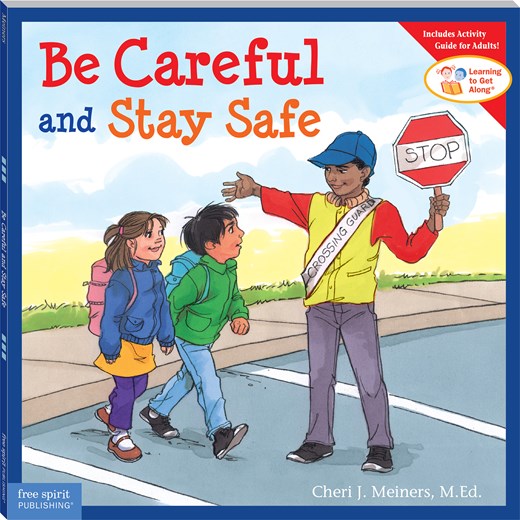
Homeschool Friday - Be Careful & Stay Safe

Homeschool Friday is a feature here at Somewhere Only We Know that showcases books my family reads during homeschool and provides a mini-review/review for each.

Be Careful & Stay Safe

By: Cheri J. Meiners

Illustrated By: Meredith Johnson

Publication: November 15, 2006 by Free Spirit Publishing

40 pages

Genre: Children's, Picture Books, Manners, Safety

Source: Publisher via Edelweiss (Thank you!!)

( Goodreads | Amazon )

*Note: The above link to Amazon is an affiliate links. Affiliate links support giveaways for Somewhere Only We Know readers.

Description--The world can seem so perilous, especially where our children are concerned. But even very young children can learn basic skills for staying safe in ordinary situations and preparing for emergencies. Without scaring kids (or alarming adults), this book teaches little ones how to avoid potentially dangerous situations, ask for help, follow directions, use things carefully, and plan ahead. Includes questions, activities, and safety games that reinforce the ideas being taught.

Be Careful & Stay Safe starts with the benefit to the child: being able to take care of oneself. We all want to be independent. Listening and following instructions is the first way listed to help children stay safe. The book reiterates over and over about "adults I can trust." This is great for instilling that not all grown-ups are trustworthy. Thinking thoroughly and carefully ahead of time helps tremendously. Being aware and staying away from things that are dangerous until the child is old enough to learn how to deal with those things is shown. The buddy system in public is listed as a safe option. If lost from a parent or trusted adult, stay in place or ask an employee for help. Community helpers are listed as good options to look for when help is needed. And it lists a few ways on how to recognize those people. Ask for help if needed. Call for help in situations of emergency. Don't talk to strangers unless with a parent or trusted adult. If the child feels uncomfortable or doesn't know the stranger, the book instructs them to ignore the person and walk away. And if that person doesn't feel safe or right, find a safe place and a trusted adult right away. Sometimes things happen that we don't expect, but we can plan ahead for potential emergencies. The benefit to the child is reiterated: learning to keep oneself and others safe, which also helps everyone to get along.

For such a small book, this is packed full of great information to help a child with several safety situations they need to be aware of and know how to deal with. There are extra instructions for the parents at the end. These types of books spark communication with your kids on what you both expect from common situational dangers. I do like to add what the Berenstain Bears' Stranger book says, which is essentially that we can't have rules for every situation so we have to use our common sense to figure out what we need to do.

Be Careful & Stay Safe is the exact type of book that all parents need to read with their kids. It presents information in a way that helps the child feel empowered to know that they can handle these situations instead of building up a sense of fear. It references the child's dependence upon trusted adults, while also, showing the child how they can tackle these situations. I'm giving it 5 Stars. Have you or your child read Be Careful & Stay Safe? What did you think? Let me know!

P.S. There is an illustration of a cordless telephone circa early 2000s on the page that references calling for help in case of emergency. This is an outdated illustration as most houses no longer have telephones like this. Maybe it's a good talking point with your child though. My children know how to use my phone to make an emergency call. If you choose to read this book with your child, it might be a good idea to show them how to do the same on your own phone.

Friday, July 4, 2025

Homeschool Friday - Tails Are Not for Pulling

Homeschool Friday is a feature here at Somewhere Only We Know that showcases books my family reads during homeschool and provides a mini-review/review for each.

Tails Are Not for Pulling

By: Elizabeth Verdick

Illustrated By: Marieka Heinlen

Publication: September 15, 2005 by Free Spirit Publishing

24 pages

Genre: Children's, Picture Books, Manners

Source: Publisher via Edelweiss (Thank you!!)

( Goodreads | Amazon )

*Note: The above link to Amazon is an affiliate links. Affiliate links support giveaways for Somewhere Only We Know readers.

Description--If pets could talk, what would they say? Maybe “Fur is for petting, backs are for scratching, noses are for nuzzling . . . and tails are not for pulling!” Toddlers and pets belong together—as long as toddlers don’t chase, grab, squeeze, yank, and tease. In simple words and delightful illustrations, this book teaches the basics of kindness to animals: careful handling, awareness, safety, and respect. It also includes helpful tips for parents and caregivers.

We have been studying manners in our homeschool, and we got our first dog and family pet this past October. So when I saw Tails Are Not for Pulling for review, I grabbed it. My older children are very calm with our dog, although they had to learn to the proper way to handle him. My youngest son, who is only 4 years old now, is still a little rough with him from time to time. He knows better, but sometimes he gets a little wild. The content in this book is best suited for smaller children and probably even younger than 4.

I liked how the book starts off with wondering how if animals could talk, what would they say. It goes through some common pet animal sounds. Then the book enters into a series of statements that are about how to properly handle a pet. For example: "fur is for petting, not grabbing" and "ears are for listening, not yanking." This establishes that there are good and proper ways to handle our pets. That section ends with "Tails are not for pulling. Ouch, that hurts." Even young children understand pain and "ouch". The book then goes into some other things a pet might want to say. For example: "Hey, my bowl is empty!" or "Gee, I could use a walk." This shows the different ways that animals need to be cared for. The book then emphasizes that pets are for loving, not teasing. And then some examples for teasing are given. Like "holding toys out of reach" or "pretending to steal food". The book shows how teasing might feel for both the pet and the child, which, again, I think all children can relate to. And then some warning signs are given that an animal might give you to show that they're unhappy with your treatment. A few tips are given about approaching someone else's pet.

All in all, I think Tails Are Not for Pulling gets 5 Stars. If you are considering getting a pet, this would be a great resource to share with your children first--especially if you have younger aged children. It's simple and straightforward. Have you or your child read Tails Are Not for Pulling? What did you think? Let me know!

Friday, June 20, 2025

Homeschool Friday - Feet Are Not For Kicking

Homeschool Friday is a feature here at Somewhere Only We Know that showcases books my family reads during homeschool and provides a mini-review/review for each.

Feet Are Not for Kicking

By: Elizabeth Verdick

Illustrated By: Marieka Heinlen

Publication: September 15, 2004 by Free Spirit Publishing

24 pages

Genre: Children's, Picture Books, Manners

Source: Publisher via Edelweiss (Thank you!!)

( Goodreads | Amazon )

*Note: The above link to Amazon is an affiliate links. Affiliate links support giveaways for Somewhere Only We Know readers.

Description--“Look at those feet! Aren’t they sweet?” Yes—when they’re walking, standing, leaping and landing. And when they’re kicking balls or leaves. But not when they’re kicking people! In simple words and charming full-color illustrations, this book helps little ones learn to use their feet for fun, not in anger or frustration. It also includes tips for parents and caregivers on how to help toddlers be sweet with their feet.

We have been studying manners in our homeschool. So when I saw Feet Are Not for Kicking for review, I grabbed it. All of my children occasionally use their bodies to hurt each other. They know better, but sometimes their emotions get the better of them. However, the content in this book is best suited for smaller children.

I liked how the book starts off with how feet are sweet. This establishes that feet are good and used for a purpose. The purposes are then listed over several pages of one word per page. The title phrase is used in addition to the phrase "Ouch! Kicking people hurts." This phrase is used repetitively throughout the book to drive home this point. The book has a semi-rhyming scheme. Sometimes it rhymes and sometimes it doesn't. Options of things that can be kicked are offered. Then some advice is given in the event that someone kicks the child. And then the book returns to how feet are sweet and ultimately feet are for fun.

All in all, I think Feet Are Not for Kicking gets 4 Stars. Have you or your child read Feet Are Not for Kicking? What did you think? Let me know!